How to generate an E-Way bill on the E-Way bill portal?
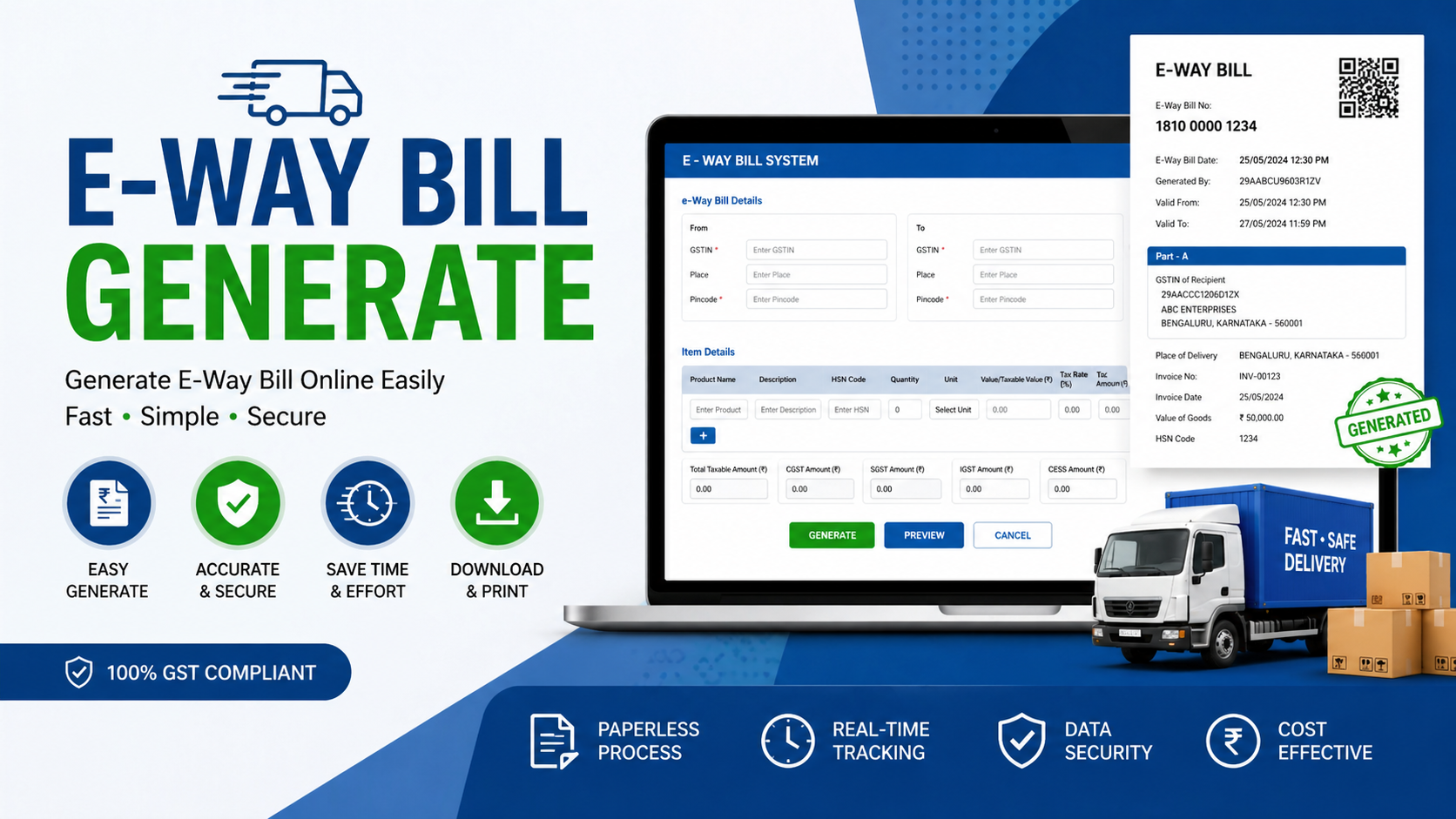
Want to generate your E-Way Bill but not know the proper way? Then no issue just read our post carefully so you can make yourself able to generate your bill by yourself. How to generate an E-Way bill on the E-Way bill portal is very simple. Nowadays you can generate this bill in multiple forms like in PDF, Word and also in sms format.
You just have to add or submit some important documents and information to the portal while generating this bill. You can get help from the GST-registered person if you are facing any problem in this.
Samples and pictures of eWay bills
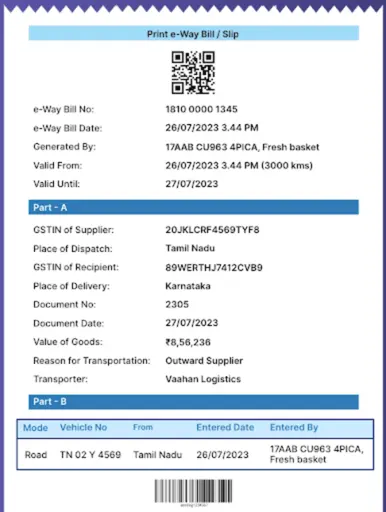
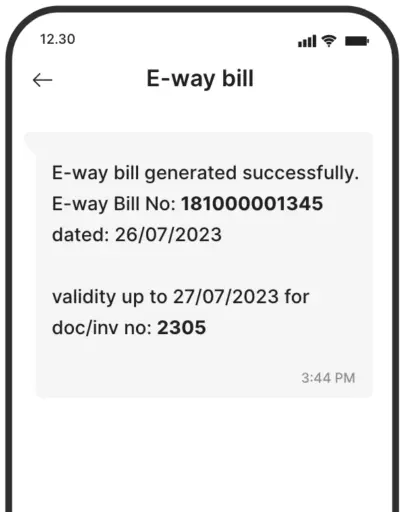
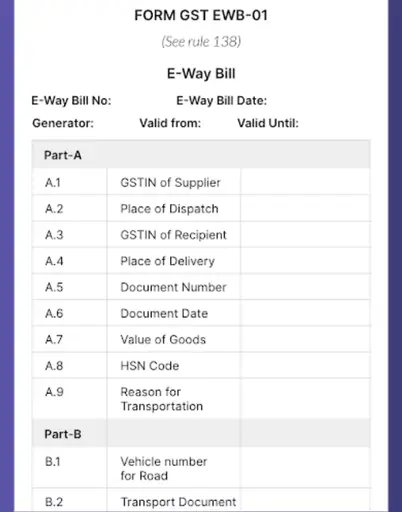
The E-way bill portal and SMS are two of the ways to generate a GST e-way bill number. The eway bills format can change based on the generation method. Nonetheless there will always be some required information like the e-way bill number, the date and the generation time. Additional information including supplier transporter buyer and goods details may be included in certain e-way bill formats.
Situations in which an e-way bill is not necessary
You don’t have to create an Eway-bill.
- If the goods being transported are worth less than Rs. 50000.
- When a non-motorized method of transportation is employed.
- When cargo is delivered to an inland container depot (ICD) or container freight station (CFS) from an airport sea port or land customs station.
- If the goods being transported are not subject to the GST. when products are transported under government oversight such as by the Ministry of Defense or Customs.
- If all parties are residents of the same state and the distance between the consigner\/consignee and the transporter office is less than ten kilometers.
Documents needed to prepare the GST e-bill
These documents must be prepared before contacting the GST e-way bill login portal or sending an SMS for e-way bill generation.
- An appropriate delivery challan bill of supply or invoice for the cargo being transported.
- The transporter ID or the vehicle number in the case of road transportation.
- Transport document number date and transporter ID for ship air or train transportation.
Rules and regulations for e-way bills
- E-way bill generation has been introduced in accordance with Rule 138 of the CGST Rules 2017. and e. April 1st 2018 for goods transportation.
- The recipient is required to create the e-way bill if the supplier is not a party registered for GST.
- The transporter is required to create the e-way bill if the supplier or recipient is not registered for GST.
- The distance being transported determines the validity of the e-way bill. The validity period is 24 hours if the distance to be covered is less than 100 kilometers and it increases by 24 hours for every 100 kilometers.
- Without the expired eway bill the goods cannot be shipped. The transporter or the person who generated the e-way bill must extend it anywhere within eight hours of its expiration or after eight hours.
- There will be a penalty if the validity period is extended or if transportation is not completed within the allotted time.
- Moving goods without creating an e-way bill is illegal and can result in a penalty of Rs. 10000 or evading the requested tax whichever is higher.
- Before the trip begins and until the goods are delivered the transporter must have a physical or digital copy of the e-way bill regardless of whether the transportation is intrastate or interstate.
Who is responsible for creating the e-way bill?
GST Registered Party
If a GST registered party is the supplier they must create the e-way bill with the recipient’s details or if they are the recipient the supplier’s details.
GST Unregistered Party
A GST unregistered party is also required to create the e-way bill. If a GST-unregistered person and a registered person are involved in the transfer of goods the registered person is responsible for generating the e-way bill.
Transporter
A transporter must ensure that the supplier or recipient creates the e-way bill when transporting goods via any mode of transportation. If there is no generation the transporter will have to prepare the e-way bill on his own.
How to use the e-Way Bill portal to create an e-Way bill?
This is a step-by-step guide to creating an online EWay bill (EWB-01).
Step 1
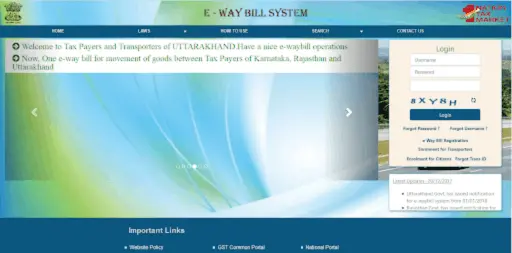
Open the eway bill system and log in. After entering your username password and Captcha code click Login.
Step 2
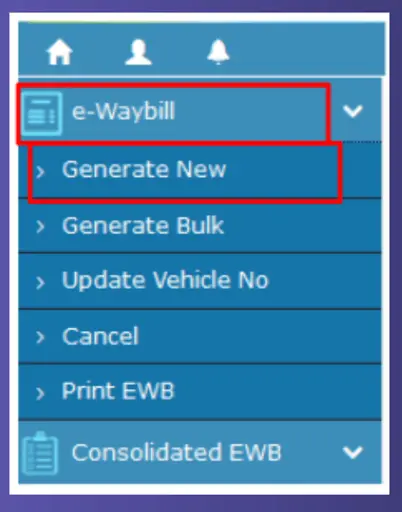
From the E-waybill option on the dashboards left side select Generate new.
Step 3
On the resulting screen enter the following fields.

Transaction Type
Choose Outward if you are a consignment supplier and Inward if you are a consignment recipient.
Sub-type
Choose the appropriate sub-type that applies to you. If the transaction type is Outward the following subtypes will show up.

Step 4
Record Number type in the document or invoice number.
Step 5
Date of Document: Choose the date of the document invoice or challenge. Note: The user cannot enter a future date in the system.
Step 6
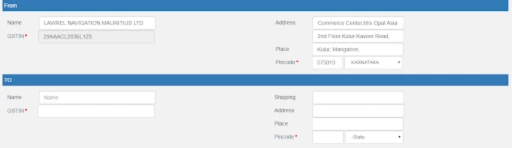
Enter the information in the section based on whether you are a recipient or a supplier.
Step 7
Item Details: Add the details of the consignment (HSN code-wise) in this section:
- Product name.
- Description.
- HSN Code Quantity.
- Unit.
- Value/Taxable value.
- Tax rates of CGST and SGST or IGST (in %) Tax rate of Cess, if any charged (in %).

Step 8
Details about the transporter:
This section must include the mode of transportation (road rail ship or air) and the approximate distance traveled (in kilometers).
Apart from above either of the details can be mentioned:. The transporters name ID and document. Yes no. and Date or. number of the vehicle being used to transport the cargo.
Step 9
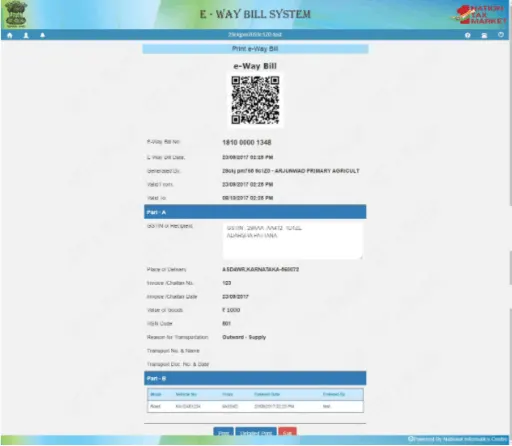
Press Submit. The system verifies the entered data and displays any errors. If not, the eWay bill in Form EWB-01 with a distinct 12-digit number is generated after your request is processed. The generated e-way bill appears as follows.
FAQs
Conclusion
In conclusion even though the e-way bill portal might appear complicated at first it becomes doable if you comprehend the process and steer clear of typical pitfalls. In addition to guaranteeing compliance a methodical well-informed approach facilitates uninterrupted business operations.